
Michael Schwartz

The Project
This paper is prolegomena to art’s transdisciplinarity, a project ontologically motivated through inquiry into the transcendental conditions of art. It opens with the question: “what does the socio-cultural world need to be like for art to have emerged and endured as a human activity and product?” A answer to this question, as retrodictive explanation (proper to critical realist social theory[1]), is that art emerges as response to the tetra-arising matrix of certain type of psychic, bodily, …
 …
…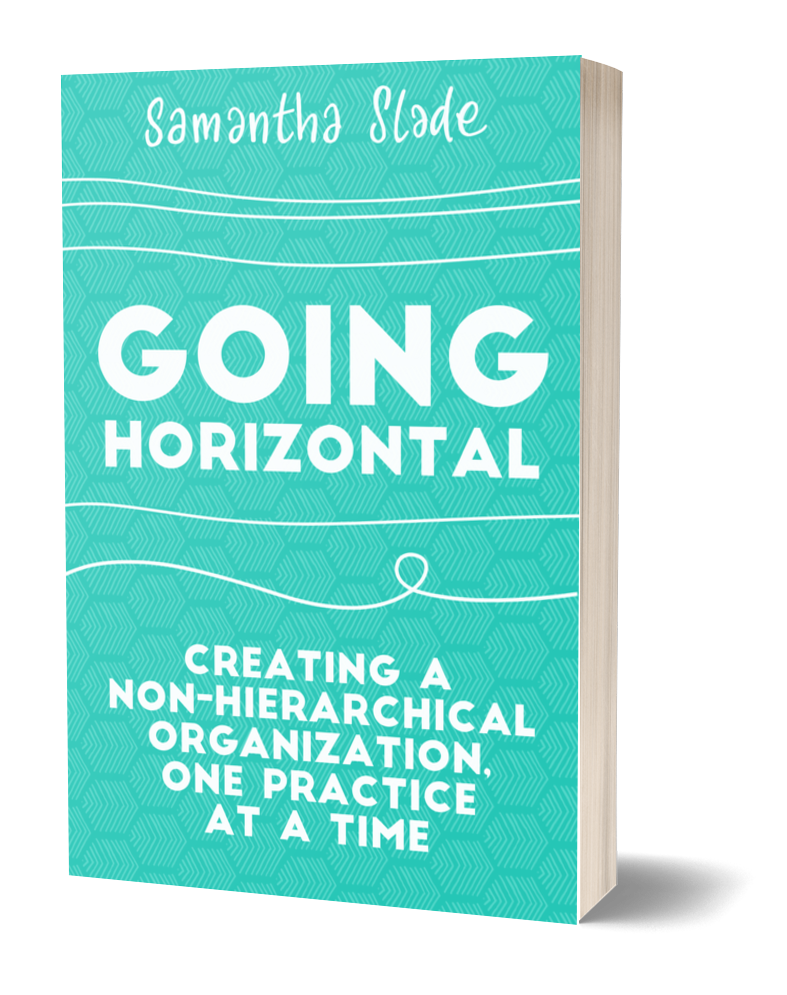 In Going Horizontal: Creating a Non-hierarchical Organization, One Practice at a Time Samantha Slade has captured in plain language how to achieve what so many of us have longed for deep down: A genuine invitation to common purpose through non-hierarchical practice, simple rules, and self-reflection. While the book’s tone feels like a conversation around Slade’s Montreal kitchen table, her guidance around “domains of practice common across all organizations” emerge from years of skilled, systematic inquiry and testing. She offers ways …
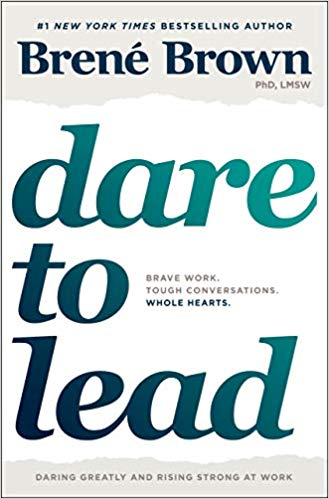 “I’m not afraid of the word revolution, I’m afraid of a world that’s becoming less courageous and authentic. I’ve always believed that in a world full of critics, cynics, and fearmongers, taking off the armor and rumbling with vulnerability, living into our values, braving trust with open hearts, and learning to rise so we can reclaim authorship of our own stories and lives is the revolution. Courage is the rebellion.”
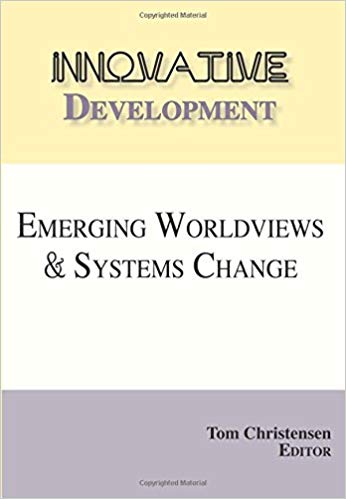 Innovative Development: Emerging Worldviews and Systems Change (Integral Publishers, 2015) is a useful volume (edited by late Tom Christensen—you did a very good job here, Tom, and I wish you a blissful journey in the afterlife, whatever and however it is in actuality) that contains papers on Spiral Dynamics (SD) and the Gravesian theory as applied to the societal dimension. The book is not an introduction into the general topic of SD but can be a companion for a more …